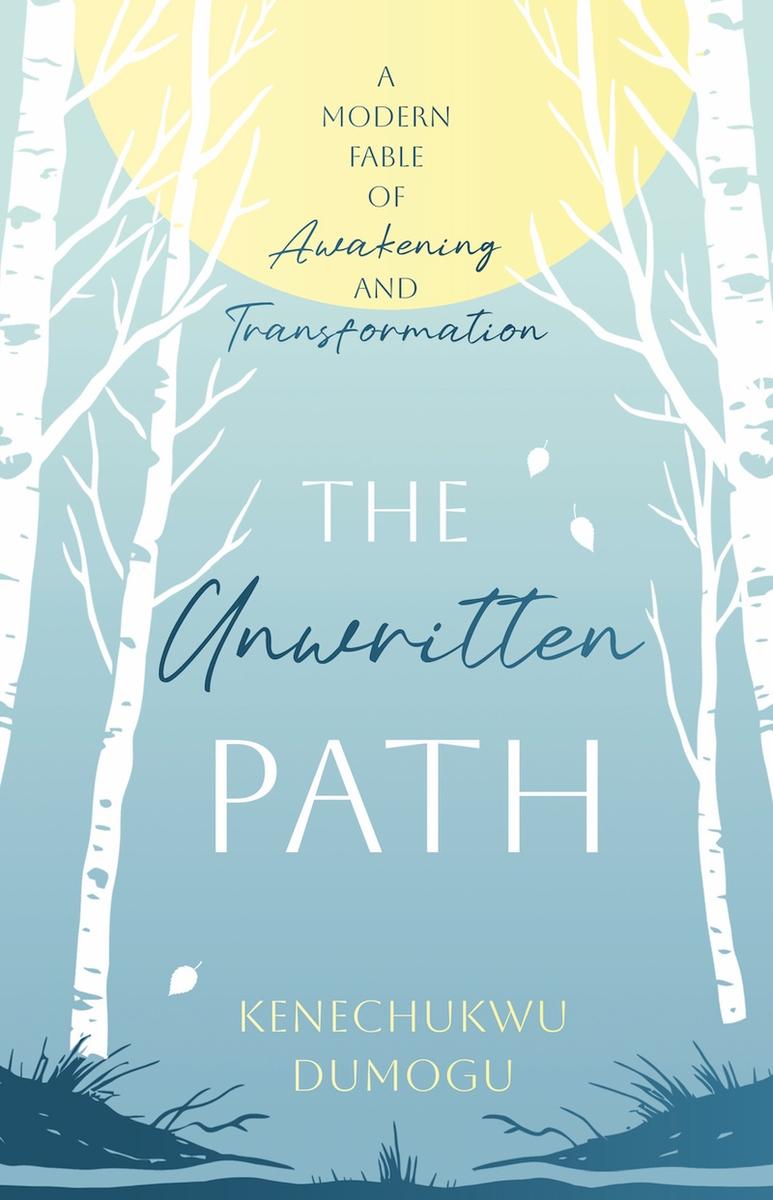
“A deeply moving, relatable book that really makes the reader re-evaluate if striving for reward becomes health inhibiting, and I speak from personal experience of the subject.”
A fable of the inward turn
There are journeys that do not begin with movement, but with unease.
A quiet sense that something essential is being missed. A restlessness that survives achievement. A longing that cannot be satisfied by the next plan, role, relationship, or success.
The Unwritten Path begins in that space.
Sam enters a symbolic inner landscape where Fear, Obligation, Control, Comparison, Perfection, Expectation, Desire, Pain and Resentment, the Witness, Presence, Self-Love, and Intuition become living encounters. Fear speaks. Control offers its map. Comparison builds its tower. Desire fills the marketplace with beautiful things that cannot last. The Witness waits in stillness. Presence asks for nothing.
This is not a fable in the old sense of a moral wrapped in plot. Here, the plot is the unveiling. Insight becomes experience. The reader does not simply read about release, surrender, or self-recognition. They watch those movements unfold through story, image, and silence.
It is a story-mirror: an invitation to recognise what has been shaping the inner life and to remember what remains when striving begins to loosen.
“The Unwritten Path is profoundly written, with a compelling storyline and beautiful, poetic language. The book spoke to me line by line. Transcendental in its insight and delivery.”
Where this book sits
A modern spiritual fable: a contemplative story of inner transformation told through symbol, archetype, and allegory.
This book may meet you if you:
- are drawn to reflective fiction and inner transformation
- have felt the ache of seeking without quite knowing what is being sought
- sense that achievement, certainty, or control cannot answer the deeper question
- prefer story as a mirror rather than instruction as a method
- want contemplative depth without doctrine or formulaic self-help
For readers moved by the allegorical resonance of The Alchemist, the inward seriousness of Siddhartha, the lyrical wisdom of The Prophet, and the contemplative clarity of The Power of Now and The Untethered Soul.
Inner landscapes, made visible
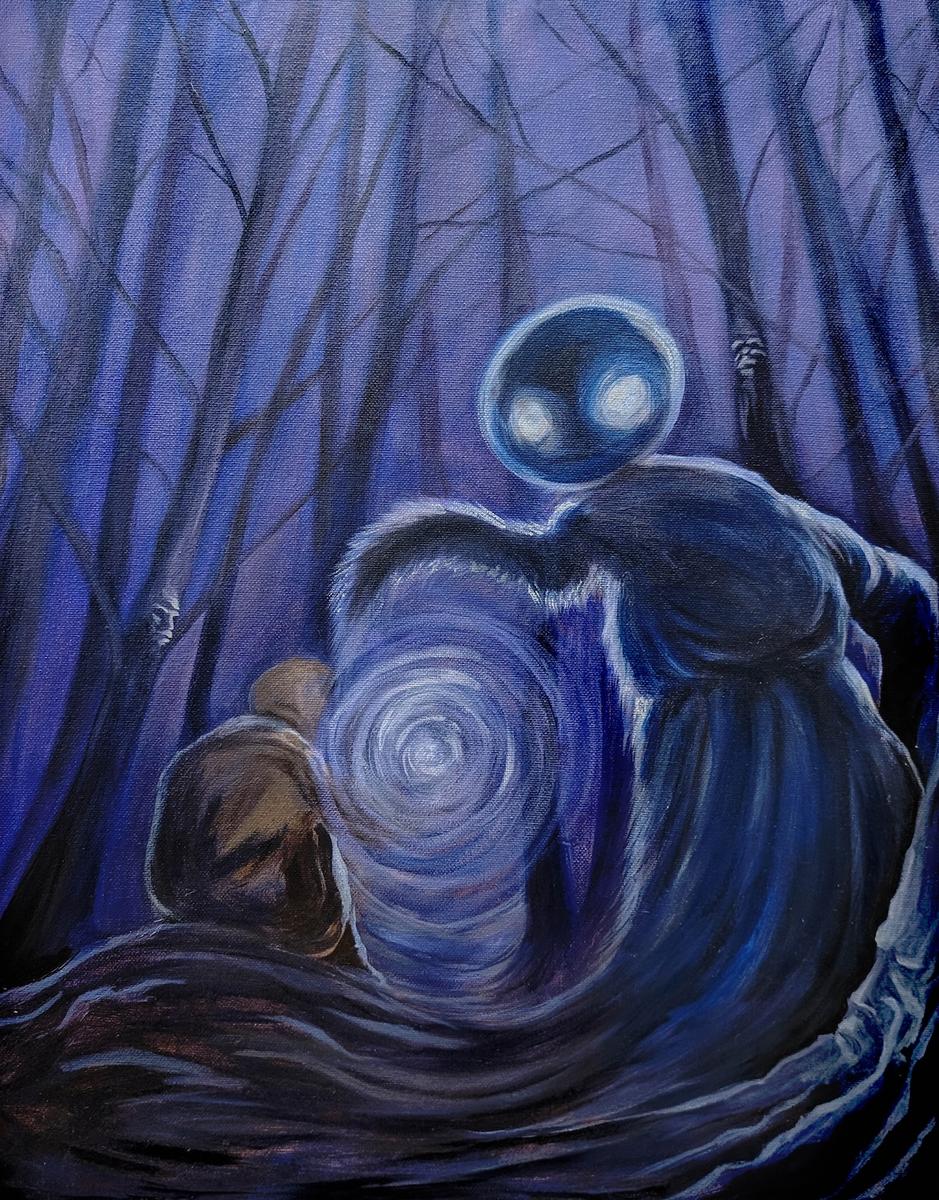
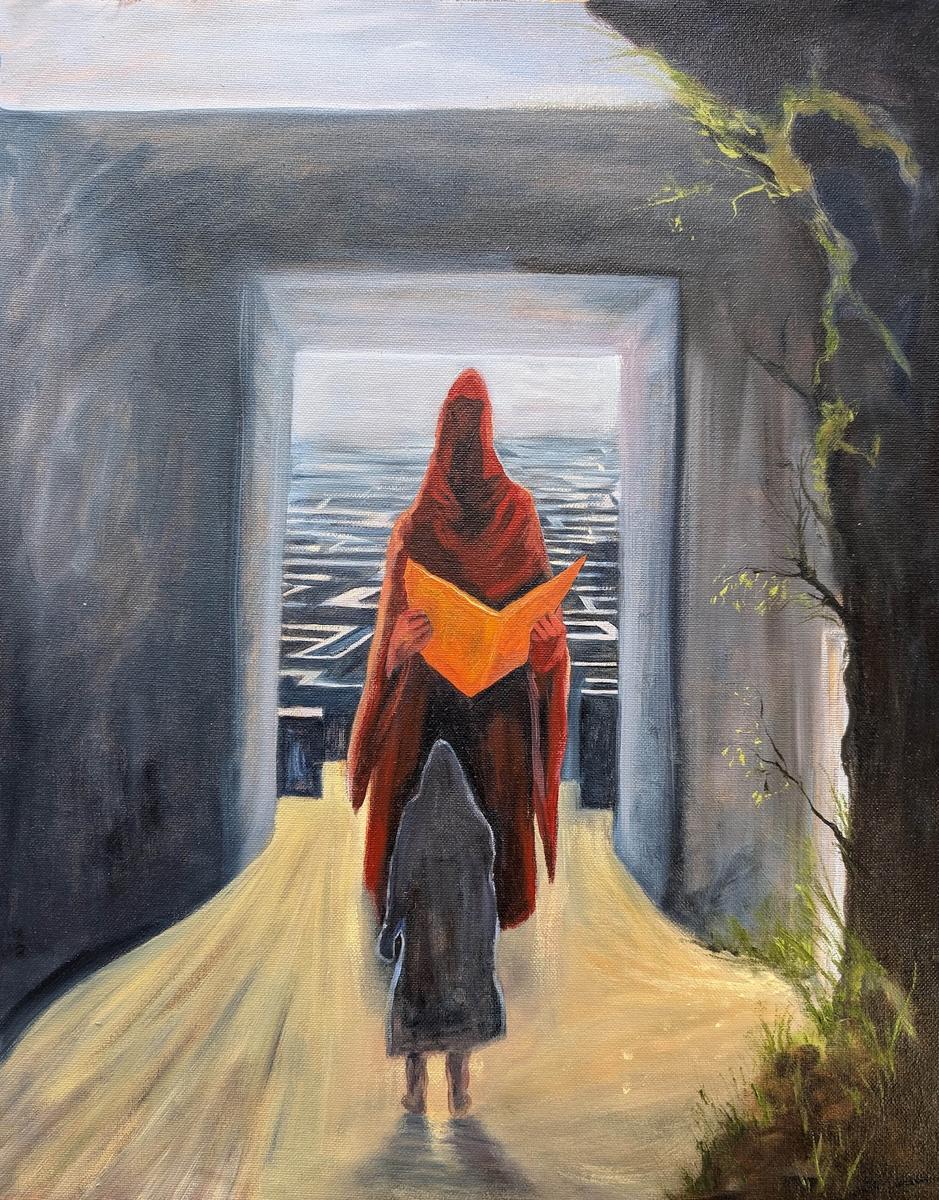
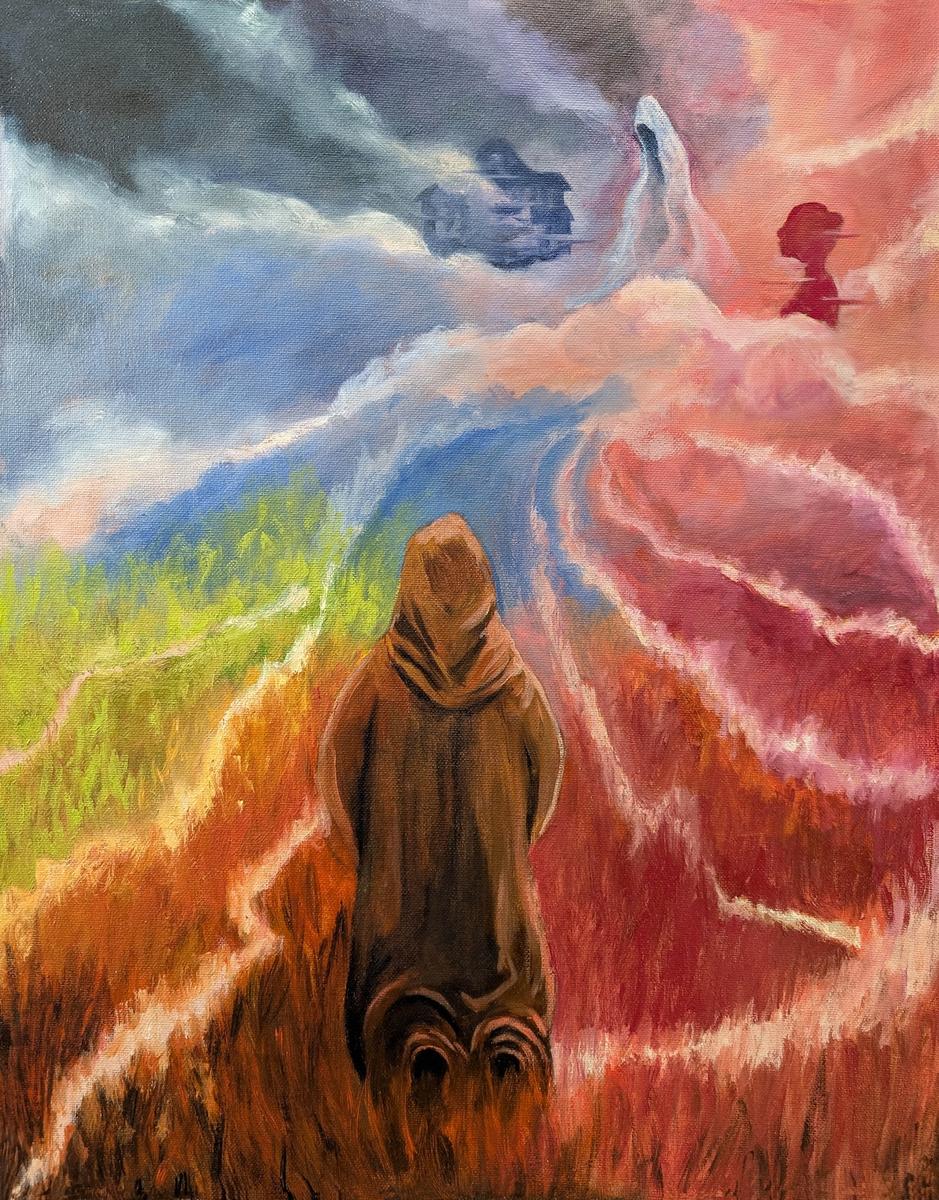
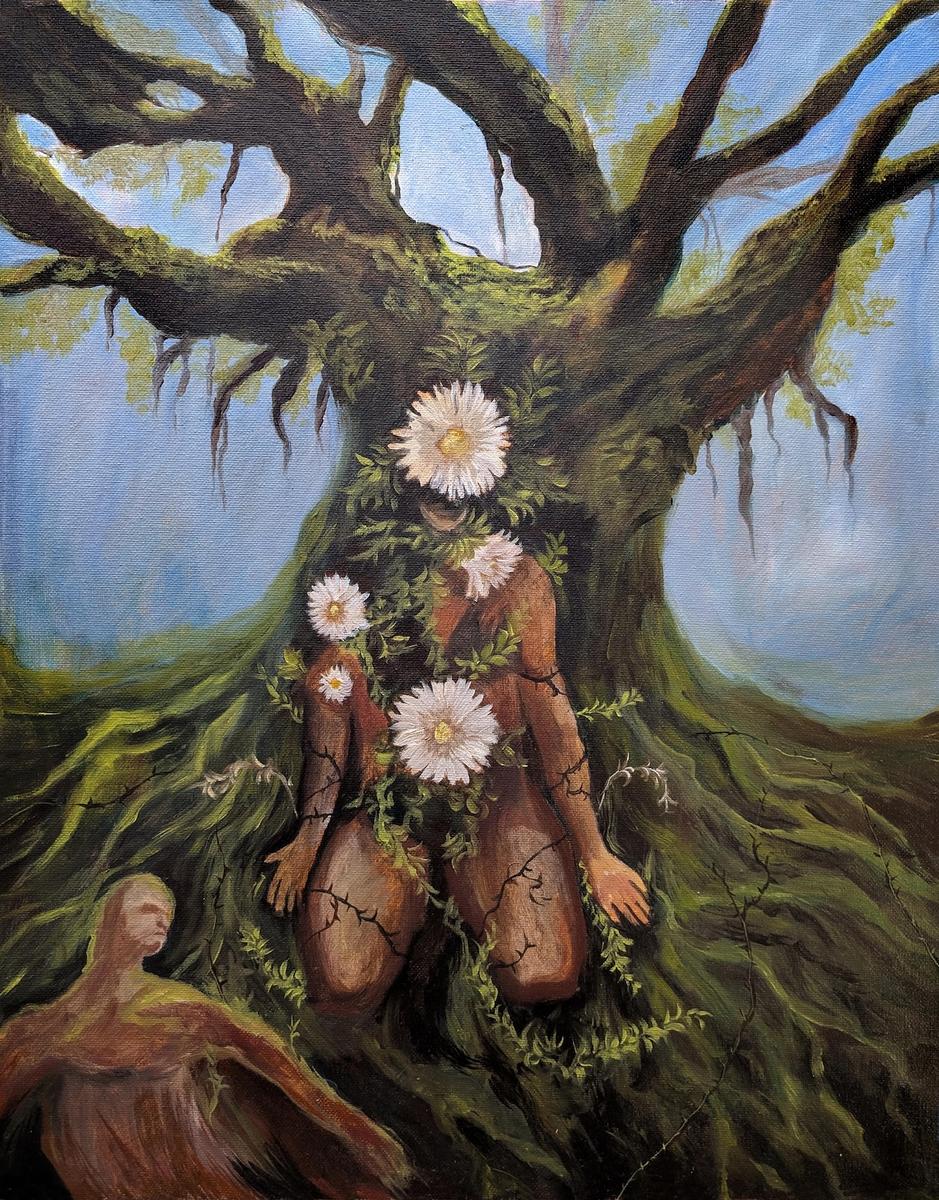
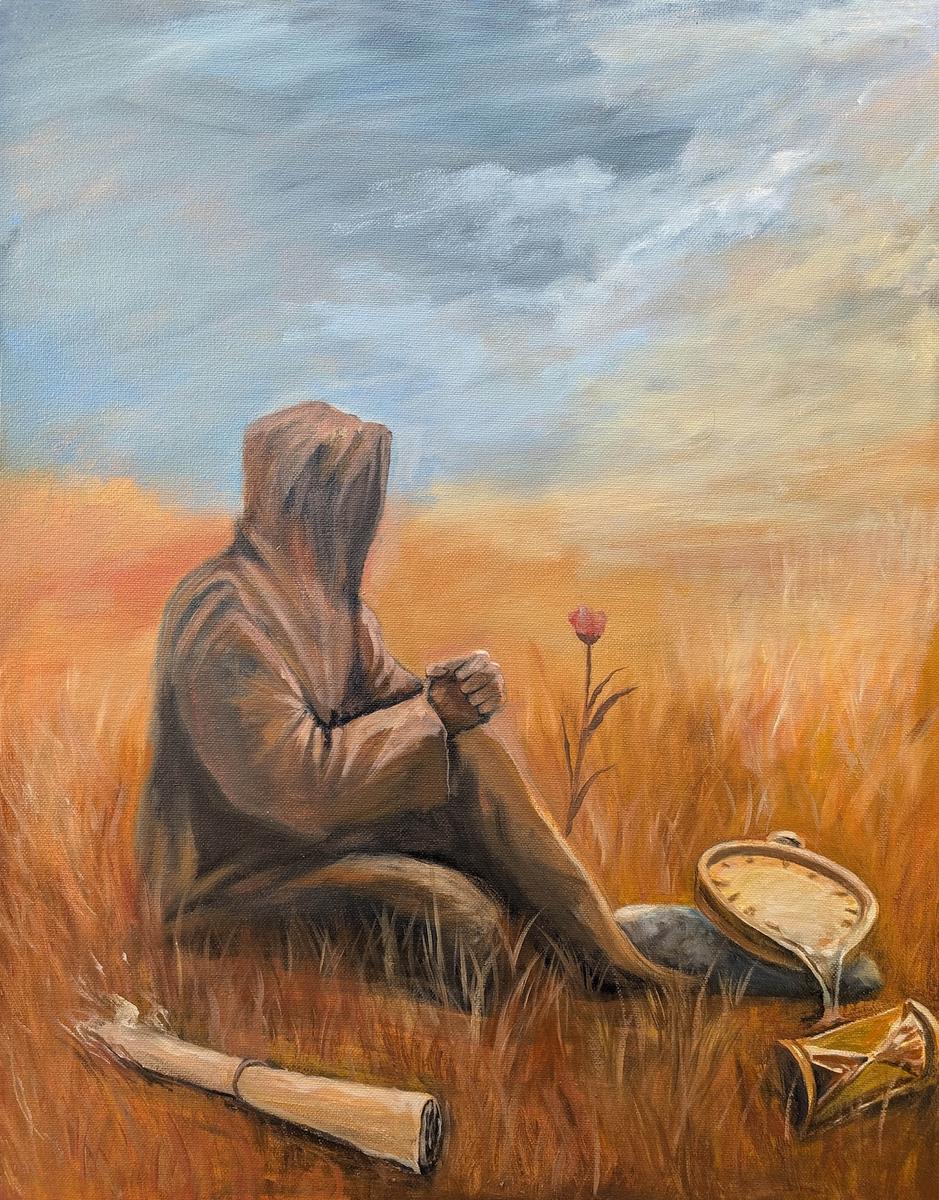
The book is accompanied by symbolic full-page oil paintings by Dawid Rewak, each one reflecting a threshold in Sam's journey.
These images are not decorative additions. They are visual echoes of the inner encounters: Fear in the forest, Control in the maze, Expectation on the horizon, Pain and Resentment at the root, Presence in the field.
Together, the illustrations give the book the feel of a modern illuminated text: contemplative, atmospheric, and re-readable.
Start reading the book
“This book was life-changing. It answered many questions I was seeking. I needed to digest, journal, and meditate on each lesson.”
“I thoroughly enjoyed The Unwritten Path. It speaks to the seeker in all of us and invites deeper reflection on purpose, awareness, and the hidden patterns shaping our lives.”
“The Unwritten Path will help people who have come to a standstill in their life find that they are about to discover the treasure. That is exactly what is needed and so often missing.”
Order now
A companion for reflection, The Unwritten Path may meet the reader differently each time.
Available to order in hardback and ebook from selected retailers.
Hardback





Ebook




International readers can order from their local Amazon site, Blackwell’s, or other major booksellers.